CSCU hires California-based firm to investigate sexual harassment allegations and response
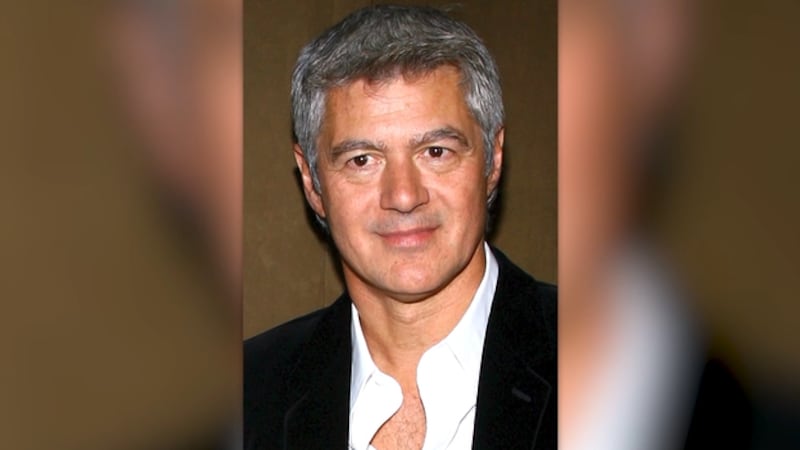
HARTFORD, Conn. (WFSB) - The I-Team has confirmed the firm Grand River Solutions has been hired to investigate the resignation of former CSCU interim chancellor John Maduko and how the system responded to complaints.
Maduko resigned days after a woman filed a sexual harassment complaint alleging he sent her inappropriate messages for nearly two years. The I-Team has learned another woman has come forward alleging Maduko sent her inappropriate messages as well. There was also a complaint filed by a student in 2024 alleging Maduko threatened her. In the fall of 2024 an employee also filed a complaint alleging Maduko created a hostile work environment.
The woman who filed the first sexual harassment complaint says she didn’t come forward sooner because CSCU Board of Regents chair Marty Guay told her he once fired a woman for making a sexual harassment complaint. Guay has since resigned.
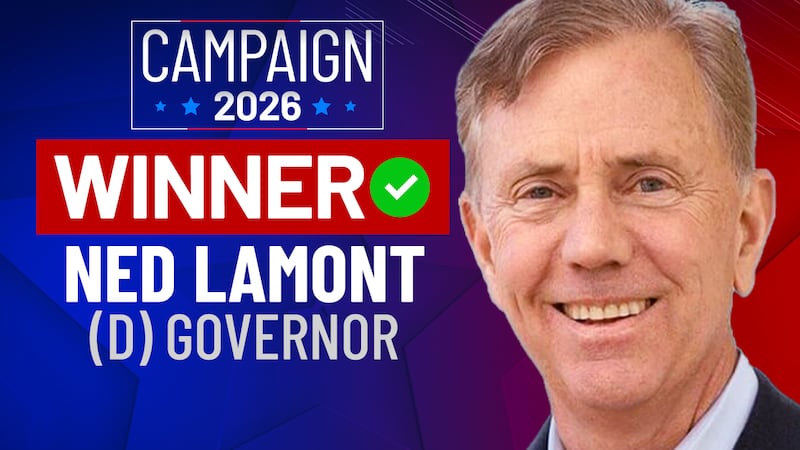
Governor Ned Lamont appointed Ari Santiago as interim board chair. Consumer Investigative Reporter Cassidy Williams spoke with Santiago about the investigation and his new role.
Williams: “What firm has the board selected and why did the board pick this firm?
Santiago: “We selected Grand River Solutions to do the investigation, and we selected them because through the process they demonstrated the most experience with Title IX, both as a firm and also in the staff that they selected to put on the project. From our perspective, the level of experience in doing this type of investigation was crucial to the selection.”
Williams: “What will this investigation be looking into specifically?”
Santiago: “So the investigation is going to be all around the system’s response to the allegations or the complaints that came in related to Title IX.
Williams: “I’ve spoken with two women who previously had filed complaints against Maduko, a student in 2024, as well as an employee. They both felt that their complaints weren’t properly investigated. How will this investigation be different?”
Santiago: “Well, I think this investigation is going to be different in the fact that, A: we’re bringing in an outside firm who specializes in exactly this type of a situation, and we are
giving them all the support that they need to do a free, fair and thorough investigation. So I’m confident that we’re going to get to the bottom of what happens so that we can learn from it, change what we need to change and do better in the future.”
Williams: “How long do you expect that to take?”
Santiago: “I think the investigation, we got to let them get started. You know, I think the investigation is going to take how long it takes to make sure it’s done right. Again, we want it to be fair. We want it to be thorough, and we want to be able to come back with recommendations that we can learn from. So my perspective is we’ve hired experts to do it. They’re going to come in. We’ve of course asked them to move as quickly as they can, but we’re going to let the investigation go where it leads and it will take how long it takes to get it done.”
Williams: “Any estimate?”
Santiago: “You know what? Listen, I don’t want to prejudge. And I think if I make a claim, then maybe we’re going to be setting an expectation for them that they can’t live up to based on the facts of the investigation. Our view is as quickly as possible to get it done right.
Williams: “I think one press release at one point said that they were hoping to have the investigation done in three months. Is that still a goal or is it now open to however long it takes this firm to do it?”
Santiago: “Well, I think it’s open for however long it takes to do it right, but also to do it, you know, quickly. We have said, and we will be getting an update by the end of June on where progress is, and I anticipate by that point we’ll get a better sense of, you know, how long it will take.”
Williams: “And how much will this cost?
Santiago: “That’s a great question. Well, first of all, let me take a step back on the process. So we, as part of this, we wanted to make sure we were doing it fully transparently, not just the investigation, but also the process to get the investigation started. So, you know, we put out a public bid. I believe you have a copy of that bid process. We received, you know, responses to that bid with numerous qualified firms. We narrowed that down to three, interviewed the three in-person, made a selection based on what we think had the most experience to do it right, and of course, cost was a factor in doing that, and so that’ll all be public information, but we absolutely made sure to do what we needed to do to get the right firm with the right experience, you know, at the best value for the taxpayers of Connecticut.”
Williams: “So do we know the cost right now? Or does it depend on how long it takes? Because you’re getting billed hourly?”
Santiago: “There is a cap in the contract for how much it will take, and I don’t want to, you know, give a full number of what it is, but it is a not to exceed number that is capped.”
Williams: “When did you first learn about that sexual harassment complaint against Maduko?”
Santiago: “You know, look, I think the details of the timeline are all part of the investigation, and in order to avoid sort of putting any pressure on the investigation or doing anything that’s going to make it not be fully fair, transparent, let the investigators do their work, I don’t really want to comment on any of the timelines, but that will all be part of the investigation and will come out when the investigation is complete.”
Williams: “I was just curious, like, you personally, not the timeline of anyone else, if you could just speak to when you found out.”
Santiago: “I still think that that’s part of the investigation, and I just want to steer clear of doing anything that’s going to kind of get into what the investigation is going to cover.”
Williams: “Did you know about the previous complaints, the two in 2024?
Santiago: “The investigation, the complaints that came up before, well, for one of them was certainly public. The one that I think you referenced at the inauguration, that was public, so certainly, you know, we knew about all that. Anything that wasn’t already in the public domain, I think we should leave for the investigation and let them, you know, go through that”
Williams: “The complaint by the employee in 2024, I have filed a Freedom of Information request for it. It will become a public document. Does the board get notified when a complaint is made against a chancellor?
Santiago: “When a complaint is made against a sitting chancellor or interim chancellor, yeah, generally the board is made aware of those complaints.”
Williams: “So you were aware of that complaint? The board was notified?
Santiago: “You know, I’d have to go back and check my recollection, and I don’t want to say what I remember or don’t remember, I know that kind of everything related to complaints will come out in the investigation, and when we have an opportunity to sit down and go back and check our notes and make sure we can, you know, say that it will come out in the investigation.”
Williams: “One thing I did want to ask you about too because it’s just part of everything we’ve been covering that isn’t tied to this investigation specifically, is, you know, before Maduko, it was Chancellor Terrence Cheng. We’ve reported on that as that part of his job, he doesn’t come to board meetings. We asked for a whole month’s worth of emails, and there’s only a couple dozen. His term as special advisor at the Board of Regents is almost over. Do you think taxpayers have gotten $400,000 worth of work from that position?”
Santiago: “You know, Terrence Cheng has been working as a special advisor to the board, working and reporting directly to the board, has been meeting with the board, you know, regularly, call it every four to six weeks or so, providing updates on the project he’s been working on. We look forward to releasing that project before the end of the month, or at the end of June, and I think the public will be able to assess, you know, what we got out of that. We feel very proud of the work that’s been done. This report was looking at the entire country to figure out lessons learned of what we can learn as a CSCU system to be better and do better in the future, learning from what’s worked and what hasn’t worked in other states.”
Williams: “When do you think that report will be available?
Santiago: “It will be available by the end of the month. It’s in the final stages of review right now.”
Williams “And just with everything that’s been happening, one thing I wanted to ask you. I know you were appointed to the board back in 2020. Going back in time with all of this, is there anything you would have done differently?
Santiago: “Yeah. Well, I wish we would have ever gotten into them, I suppose, in the first place. But look, you know, I think as it relates to anything for the former interim chancellor, you know, I’m going to let the investigation kind of go through that and help us get our lessons learned, you know, from that perspective. Look, I think, you know, any decision in hindsight can be looked at through a different lens, and what I can say is, you know, the board is determined to look at the past and learn from the past, but then turn the page and move forward. We really can’t do anything about things that have happened in the past. What we can do is learn from the past and do better and be better in the future.
Williams: “Now, as the board chair, you know, after sitting on the board for six years, is there anything, even without waiting for the investigation, that you want to change about how the board functions to maybe prevent something like that from happening again?
Santiago: “I’m not going to comment around what I think, you know, saying, hey, someone did do something that we should have done in the past. My focus is really on turning the page to the future. You know, the CSCU system is so crucial to the state of Connecticut.
You know, we’re just coming off a month here where we graduated nearly 13,000 learners from the system. We’re looking forward to continuing to serve that 100,000 learners per year. We are a critical pillar in the state of Connecticut to help people find and create a better future. We’re critical in terms of workforce. There’s so much the system can do, and what I’m focused on is a bigger, better and brighter future.”
Williams: “What do you want to do as board chair? How do you plan to kind of steer the focus back to that and the students?
Santiago: “Sure. Well, first thing is, I want to build on the successes that we’ve had. You know, something that I think often gets lost in a lot of these conversations is what’s happening on the ground. Every day when school’s in session, you know, faculty come in and they’re focused on teaching our students to help them learn new skills and be better in the future. That continues apace and we want to continue to support that. We want to build on some of the stuff we’ve done in terms of reducing barriers for students to get into school. We want to continue to build on the debt-free college experience. We want to continue to build on pathways to grow and get people to do better in the future, so we want to build on some of that. And then, I’m focused also on listening. You know, there’s a lot of people out there that have great input into the system, both within and without the system. As I mentioned at the first board meeting, I’m really interested in engaging in anyone who wants to be a positive participant in that project to make the system bigger and better for the state of Connecticut.”
Williams: “How do you plan to do that, kind of start those conversations?
Santiago: “Well, so I’ve already started, right? I’ve been talking to legislators, and my phone continues to be open. I receive calls and make calls. We want to continue those conversations. I’ve met with the senate presidents for faculty at the CSUs, at CT State. I want to continue to have those meetings and listen, talking to the presidents, listening to other board members. I think, look, it starts with listening and conversations, hearing what people have to say, and then taking on the board’s role of, creating policy, setting direction to a brighter future.
Williams: “You mentioned the Senate presidents. Last week, pretty much every college voted no confidence in the system as a whole. How do you rebuild that confidence?
Santiago: “Look, it starts with listening. You have to hear what people are saying. When I say listening, it means truly sitting down, letting those people talk, and taking in what they say, and trying to see where we can find common ground to build on the stuff that we agree on to move forward to a better future. And I said, I’ve had some of these meetings. They do
have great input, and we’re listening to that input, and we’re going to make that input part of the decisions we have in the future.”
WiIliams: “I have to ask, you know, this is a volunteer position. To take on a role like this, at a time like this, with so many different controversies going on, why take on this role as board chair?
Santiago: “Look, I joined the board because of how much I believe in public higher education. I mean, it’s been part of my, you know, my upbringing to believe that education is the path to a better future, and so the opportunity to participate in building that better future for the state of Connecticut was the reason, you know, that I joined the board in the first place, and then the opportunity to have an even bigger impact. You know, look, there’s always going to be challenges, and I think in the face of great challenges also appears great opportunity. I want to be a part of seizing that opportunity for the betterment of all of our learners and for the entire state.”
Williams: “As far as the investigation, I know Karen Buffkin was put on administrative leave last Friday. Do you anticipate any other people being put on leave until the investigation is concluded?”
Santiago: “Look, I’m not going to make any comments about individual, you know, people. I think we take the actions that we think are appropriate based on the facts that are in front of us, and when the investigation is done, I’m confident there’ll be recommendations in there. We’ll consider those recommendations and take appropriate action, whatever that is.”
Copyright 2026 WFSB. All rights reserved.